
Heavy duty recycling shredders offer exceptional performance. Here are the best industrial shredder machines.
High-torque and durable industrial shredders are the best choice for heavy-duty recycling applications. No single machine fits all recycling types – each application depends on its needs; for example construction waste recycling requires different considerations than scrap metal recycling or bulk wood shredding.
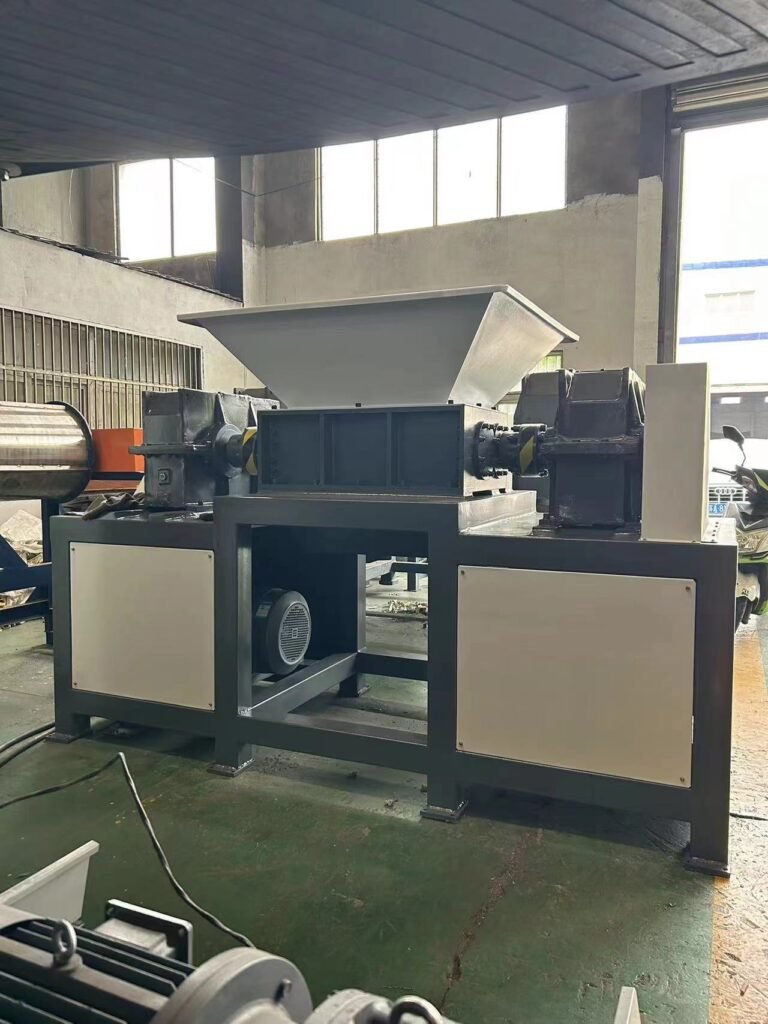
Low noise level industrial shredder machines for factories
Low-noise industrial shredder machines for factory environments feature low-speed, high-torque electric drive designs to significantly decrease acoustic impact while processing high volumes of material processing. Traditional high-speed shredders or hammer mills rely on impact velocity, creating deafening noise. By contrast, modern low-speed rotary shear and twin-shaft shredders use sharp hooks with counter rotating action to slice or tear material apart smoothly, producing less noise, vibration, as well as less airborne dust particles entering the environment.
Low-Speed Rotary Shear Technology: Running lower rotational speeds (10 RPM to 40 RPM) ensures that any physical action of tearing plastics, metals, or wood remains below ambient factory threshold levels.
Triple Seal Acoustical Cutting Chambers: Industry leaders such as Shred-Tech build their heavy-duty cutting chambers using torsion tube bodies with triple sealed housings as an integrated acoustic barrier, trapping mechanical resonance within their machine frame.
Direct-Drive Electric Gear Motors: Opting for 3-phase electric motors equipped with integrated planetary gearboxes eliminates noisy transmission belts and diesel engine exhaust rumble entirely, making them the ideal solution for enclosed manufacturing floors.
Creating custom industrial shredder solutions to accommodate unique materials
To ensure your plant floor stays within occupational noise safety guidelines, let’s review some custom details:
1. Will this factory process specific materials ? (e.g. electronic boards, bulky cardboard boxes or thick plastic purgings)
2. What is its intended location on the floor plan? (i.e. is it near worker assembly lines or within an isolated recycling bay)
3.What production output are you striving to maintain per hour?
Specialized Custom Engineering Adaptations– Contact us for customization services
- Dangerous and Hazardous Environments (ATEX/Explossion-Proof) Materials like lithium-ion batteries, aerosol canisters, paints or military ordnance can detonate or catch fire under normal mechanical stress and pose an imminent danger of detonation or explosion.
- Engineering Solutions: Nitrogen or argon-purged cutting chambers eliminate spark risks by replacing oxygen with nitrogen or argon, thus displaing oxygen from the chamber and venting deflagration venting and built-in chemical fire suppression systems. Custom builds may include Class 1, Div 1 & 2 explosion-proof motors as well as built-in chemical fire suppression systems to further mitigate risks.
- Engineering Solution: Gaseous cutting chambers that use nitrogen or argon purging can replace oxygen to eliminate spark risks, with custom builds featuring Class 1, Div 1 & 2 explosion-proof electric motors, deflagration venting systems and built-in chemical fire suppression systems to further ensure safe cutting environments.
- Wet, Corrosive or Sticky Materials Engineering Solutions: Specialized custom-cast housings constructed entirely from high-grade stainless steel or other protective alloy coatings can provide the answer.
- Seal Protection: Advanced engineering utilizes a splash/false end plate configuration (splash/false wall configurations) which isolates the cutting chamber from shaft bearing assemblies, allowing liquids or debris to escape to the floor rather than damaging internal seals.
- High-Elasticity Materials: Commercial fishing nets, ballistic fabrics (Kevlar), carpet rolls and heavy rubber belts can wrap tightly around standard cutters to cause high friction motor seizures, leading to motor seizures.
Recommended maintenance for industrial shredding machines
- Visual Chamber Inspection: Before initiating operation, check for any unshreddable materials, large metal chunks, or wires/straps which might obstruct cutting chamber opening.
- Blade and Cutter Inspection: Carefully examine blades for severe chipping, cracking, or loose bolt-on knife inserts.
- Lubrication Points: Confirm automatic grease systems are full and manually apply grease lubricant if your machine does not contain an automated lubrication block.
- Hydraulic Fluid Levels: Check fluid levels and temperature gauges regularly as well as looking out for leakage along hoses, valves, and cylinders.
- Autoreverse Function Test: Manually test the PLC-controlled autoreverse feature to ensure the shafts reverse and clear upon encountering an overload condition.
